
restraint
May 14th - May 24th 2026
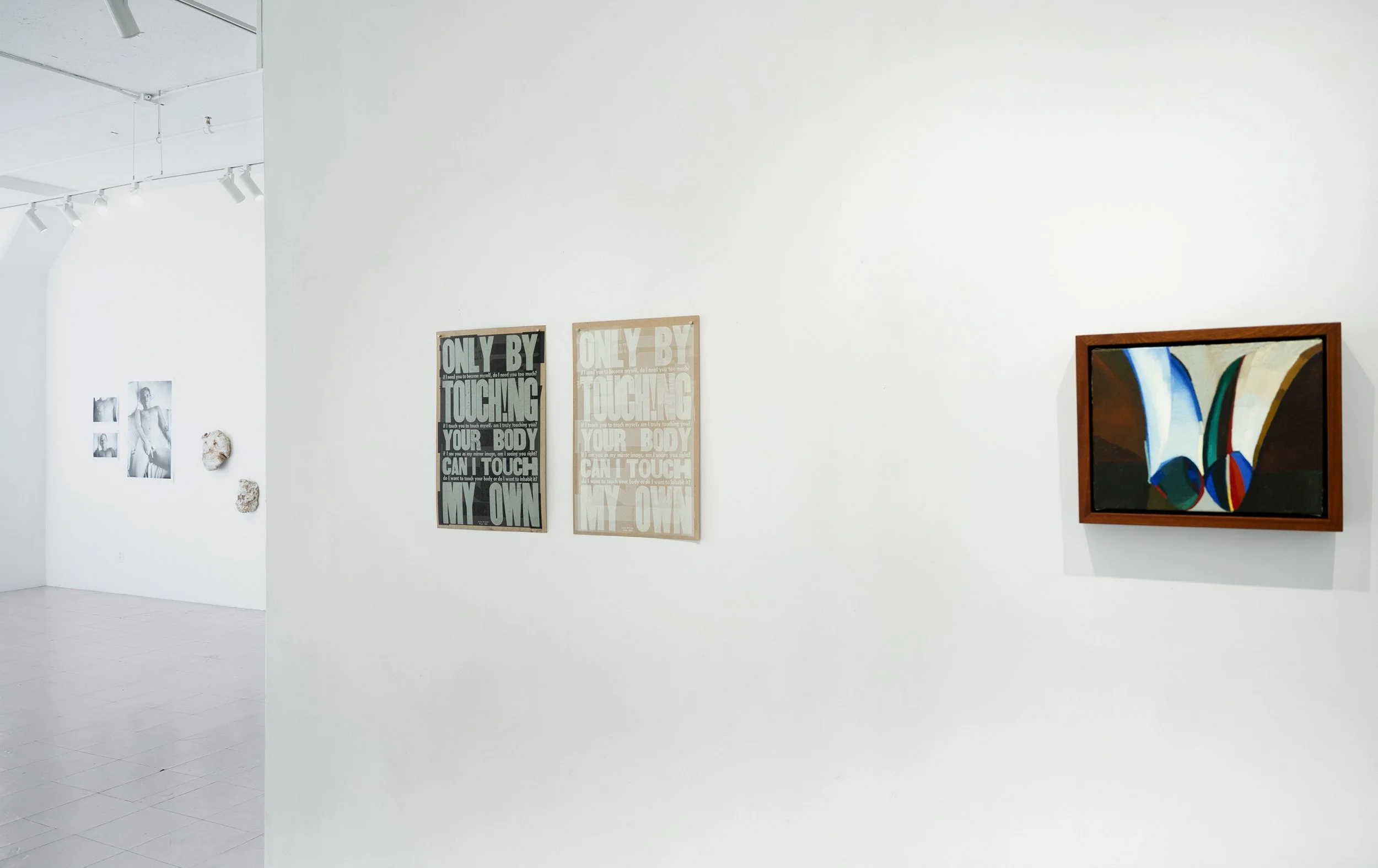
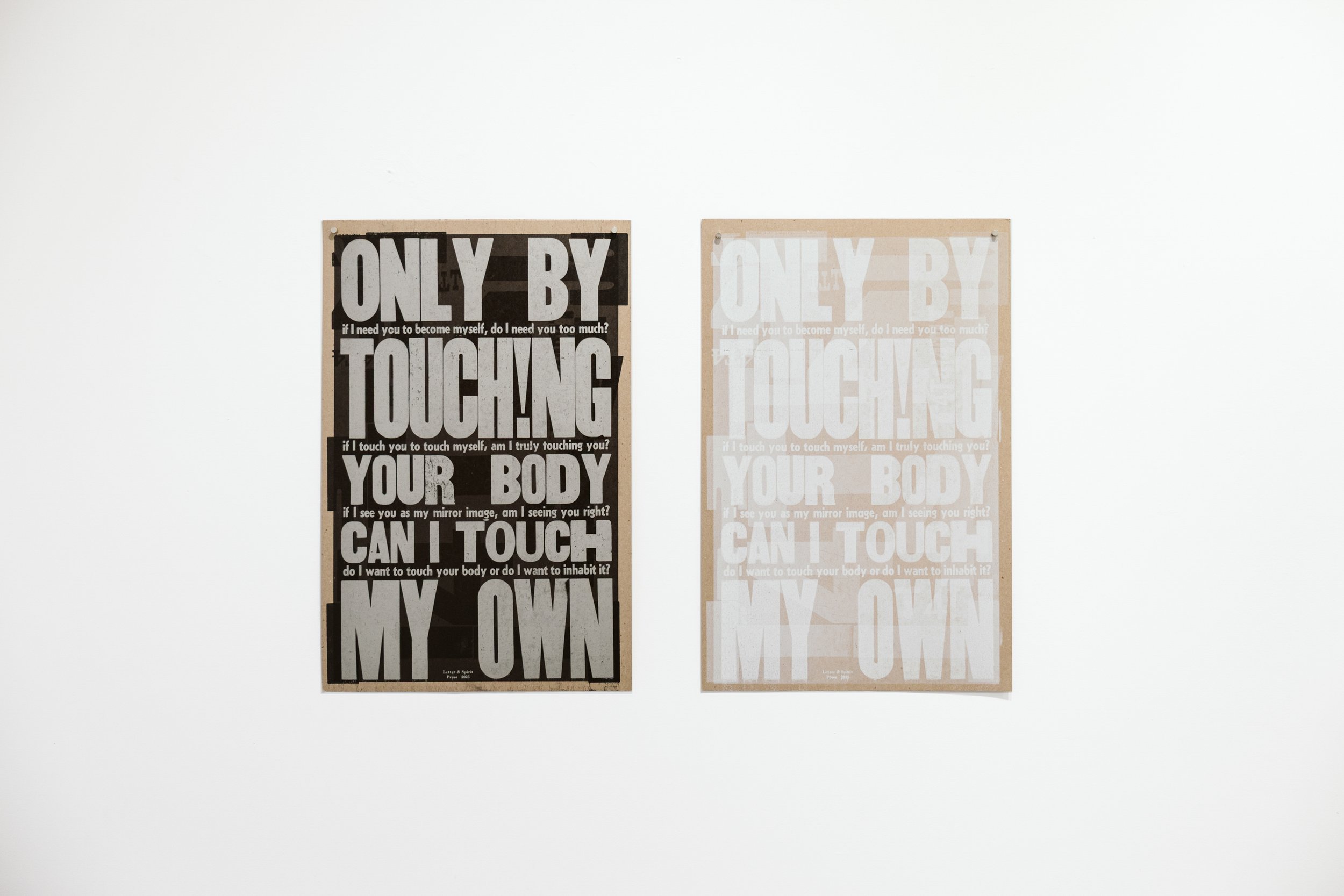
club magic and Trans Art Fest are proud to co-present restraint, a pop-up exhibition at Studio 9D, 508 West 26th St., Chelsea.
Using the subjects of sexuality, intimacy, and kink as a starting place, restraint showcases the works of twelve artists whose materially-driven practices reach for an understanding of what it means to live in this world, at this time, in a trans body.
Exhibiting artists include Ale Buenahora, Bea Willemsen, Fe Lugo, Imani Noel Ford, Jacob Romm, Jane Love, H Peters, Kaden Bard Dawson, Lijah Schnei, myer roze, Nass Reda-Fathmi, and Nils Hammerand.
Trans Art Fest is dedicated to supporting, connecting, and celebrating trans artists.
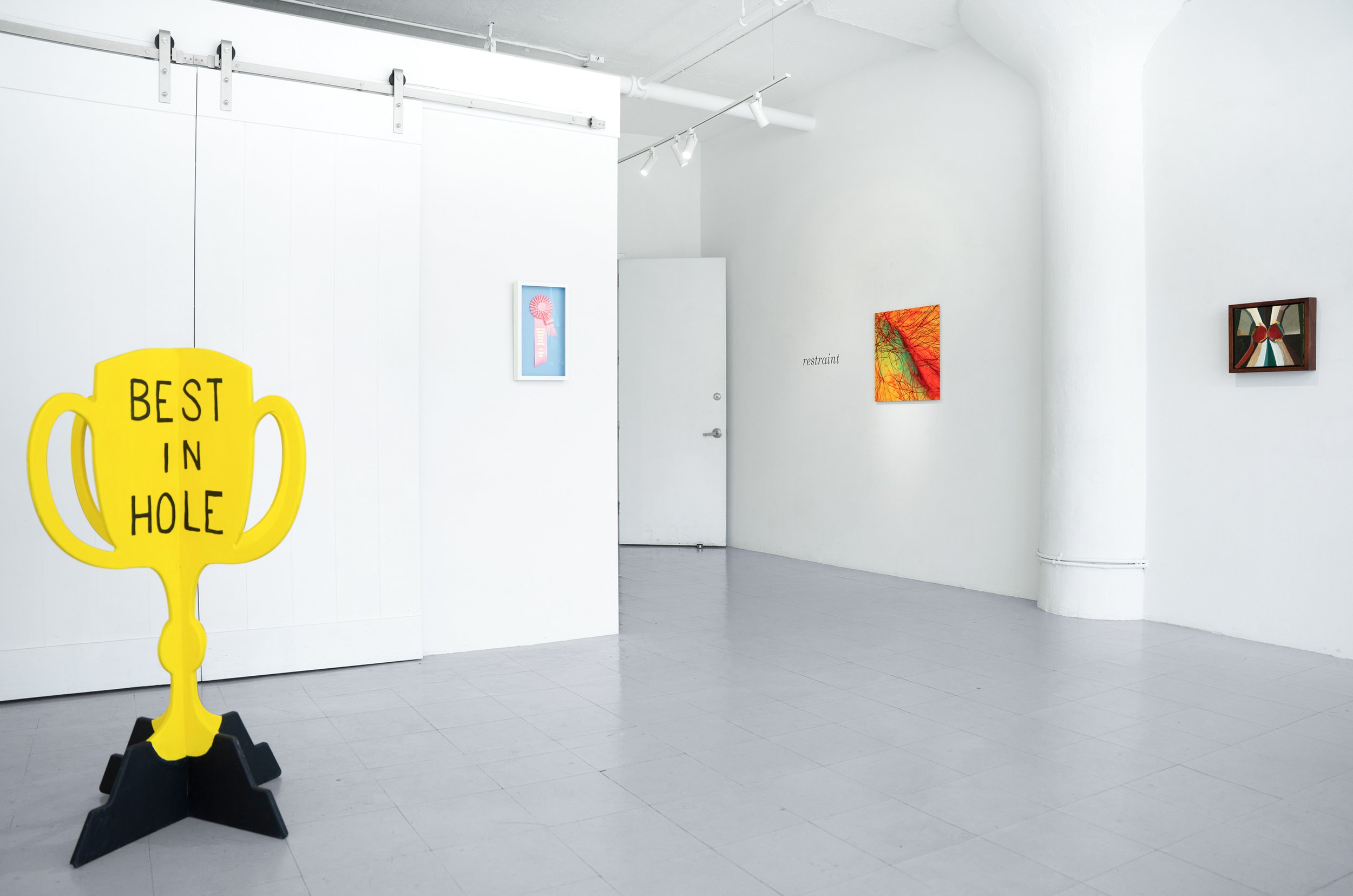
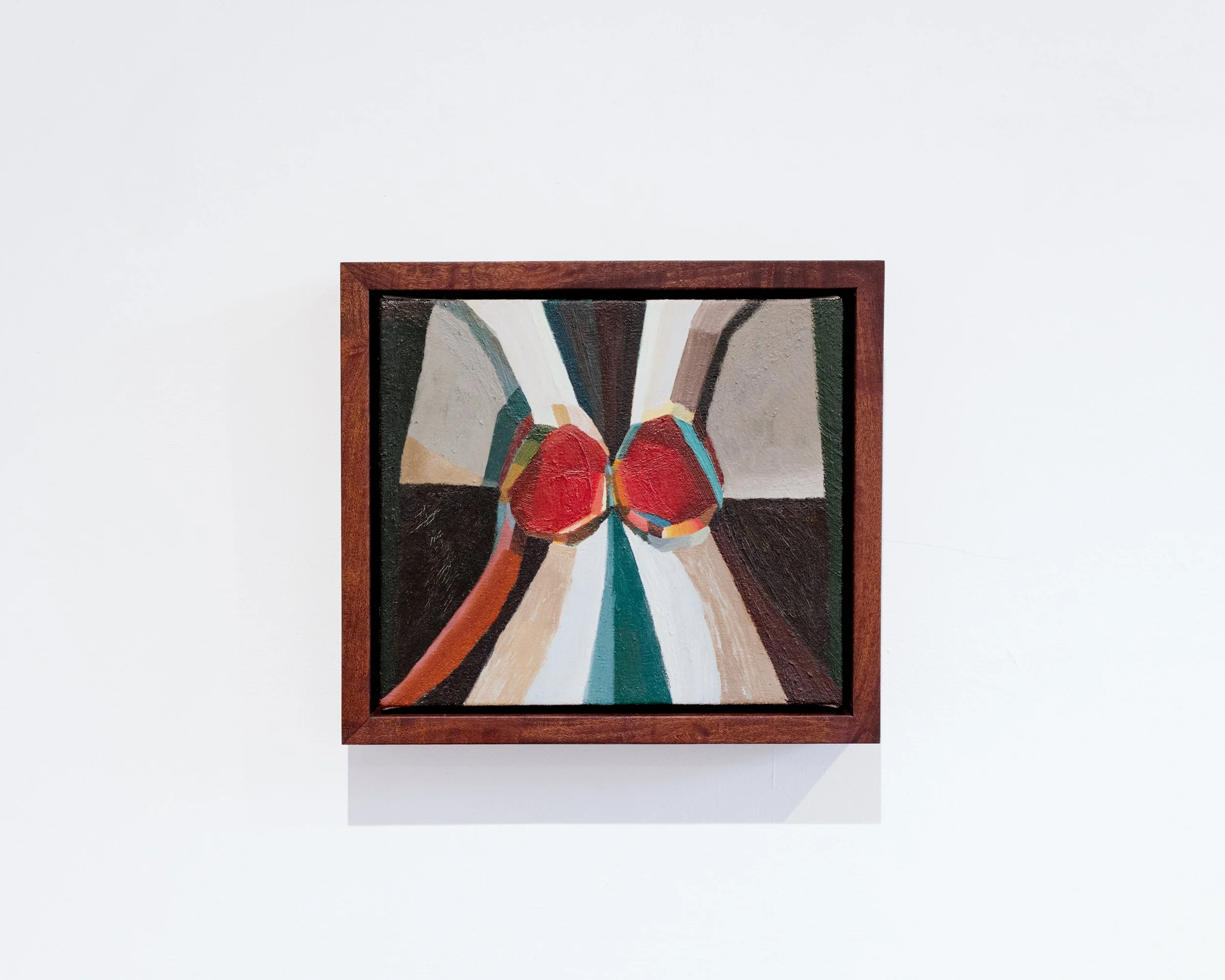
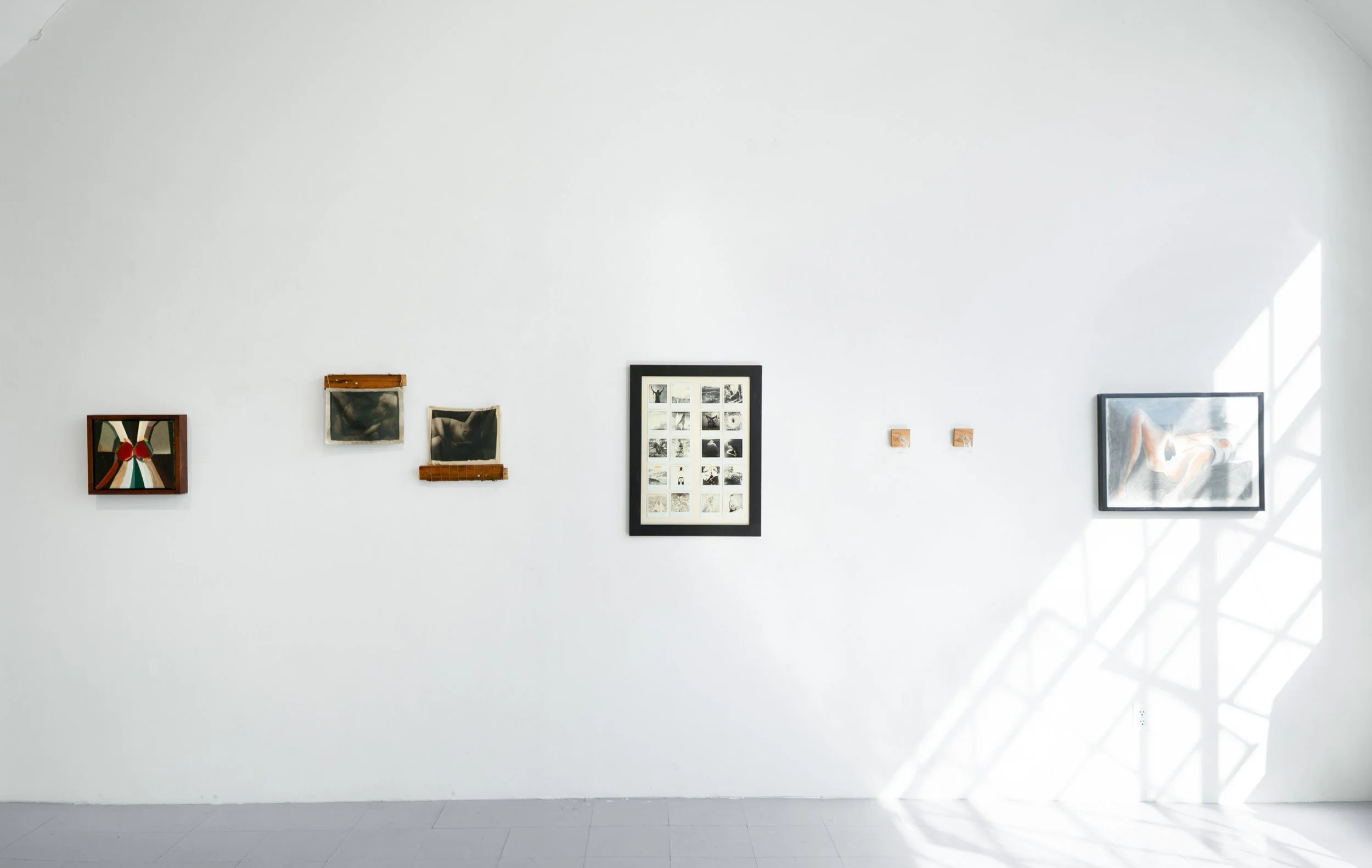
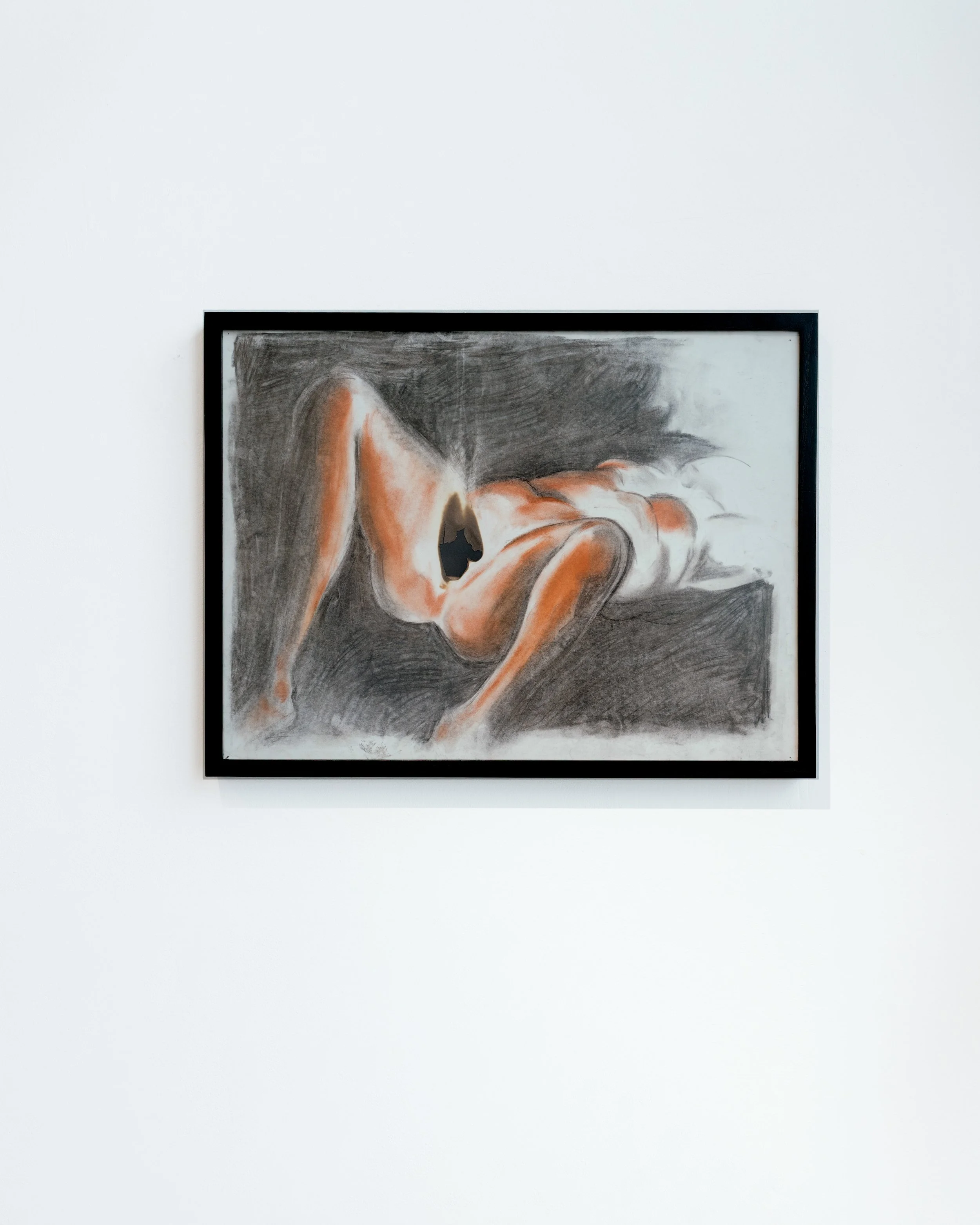
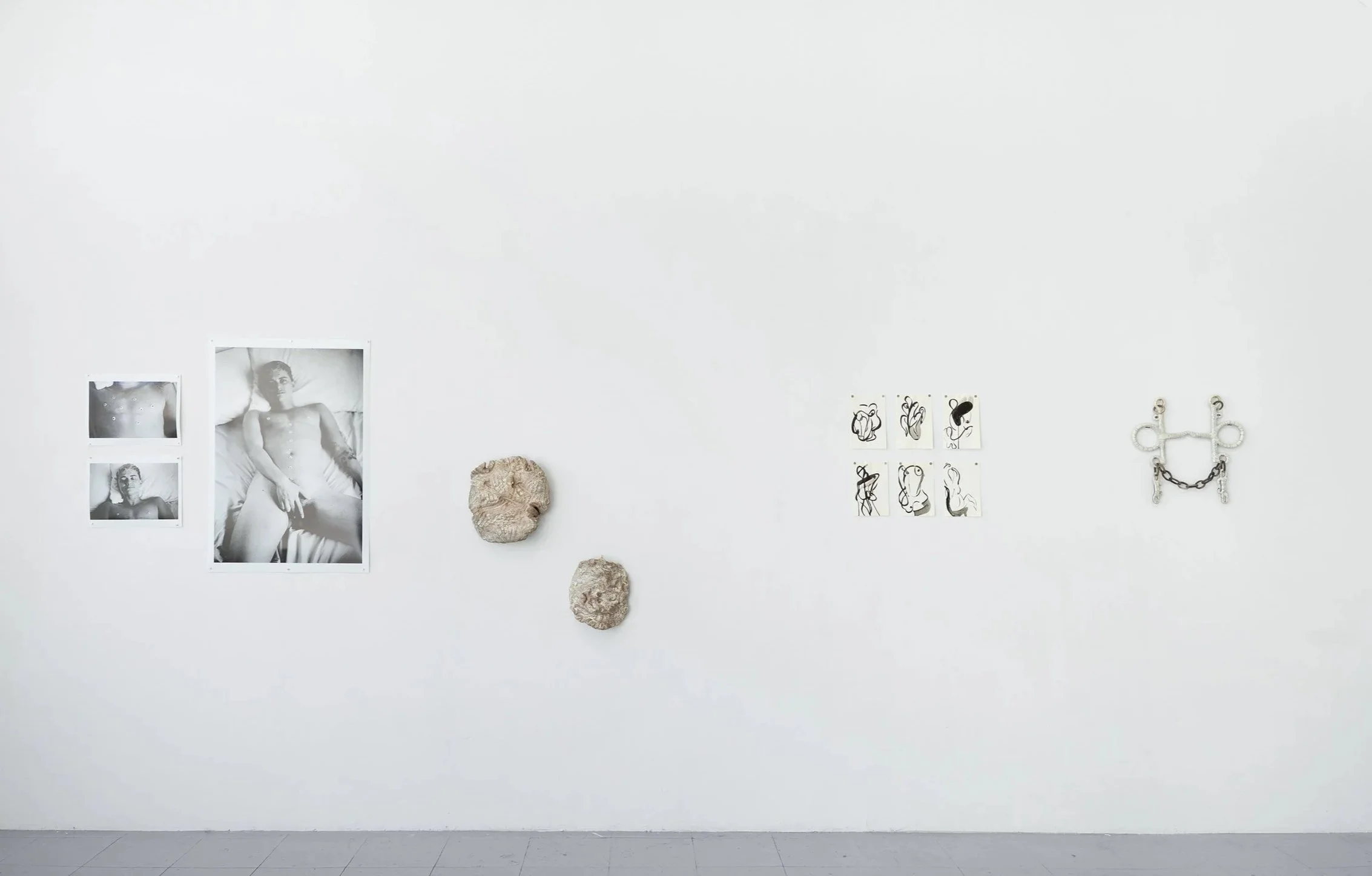
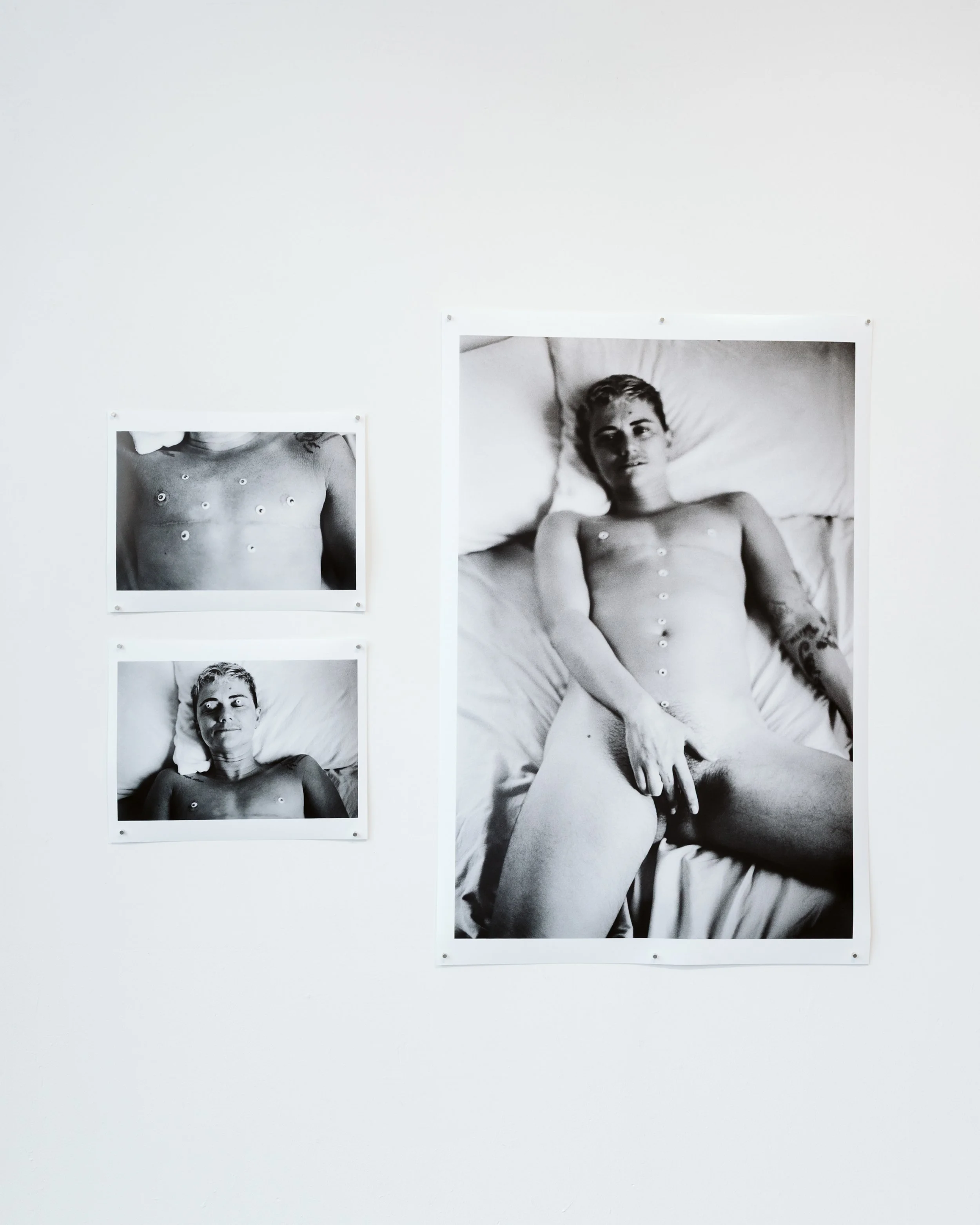
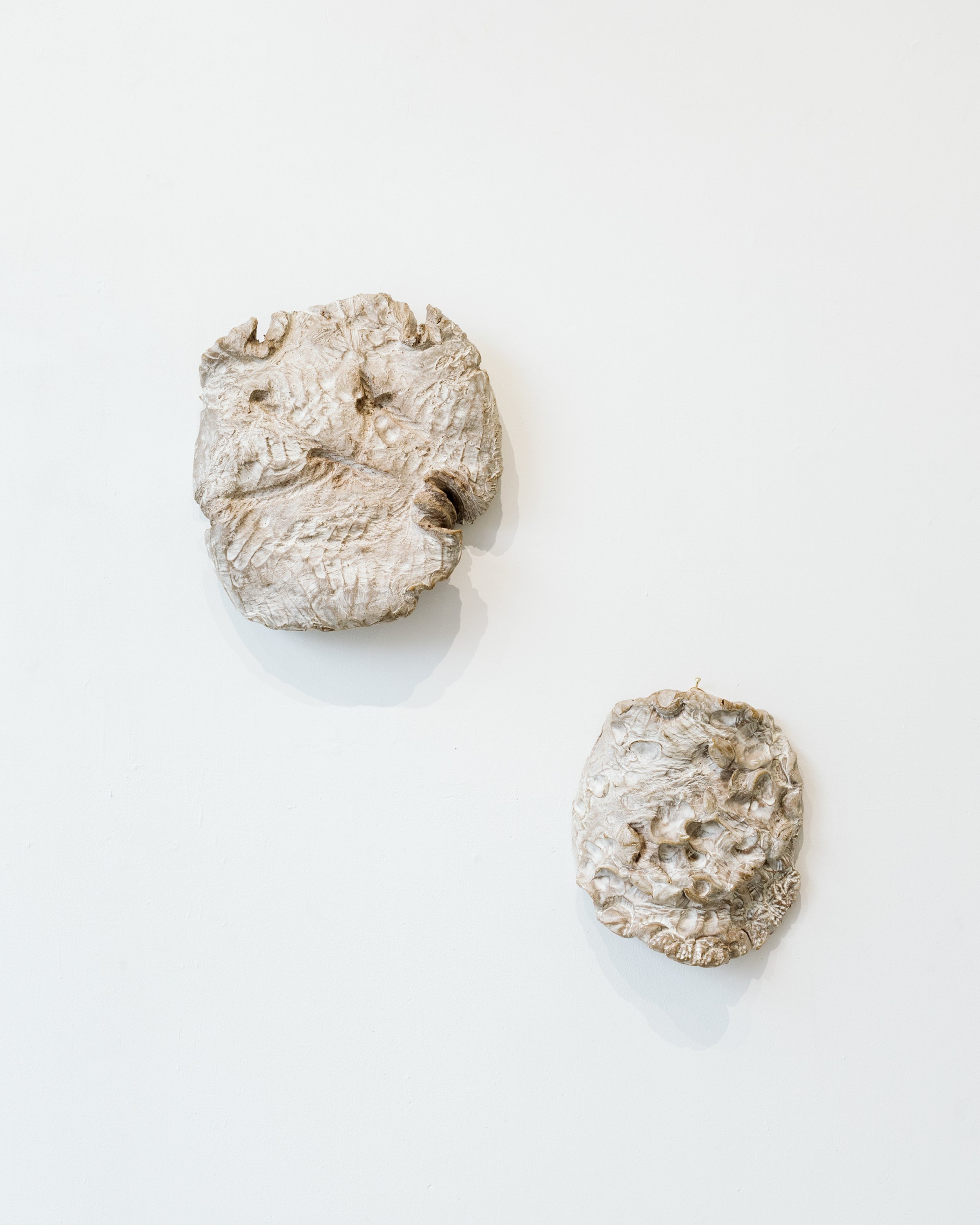
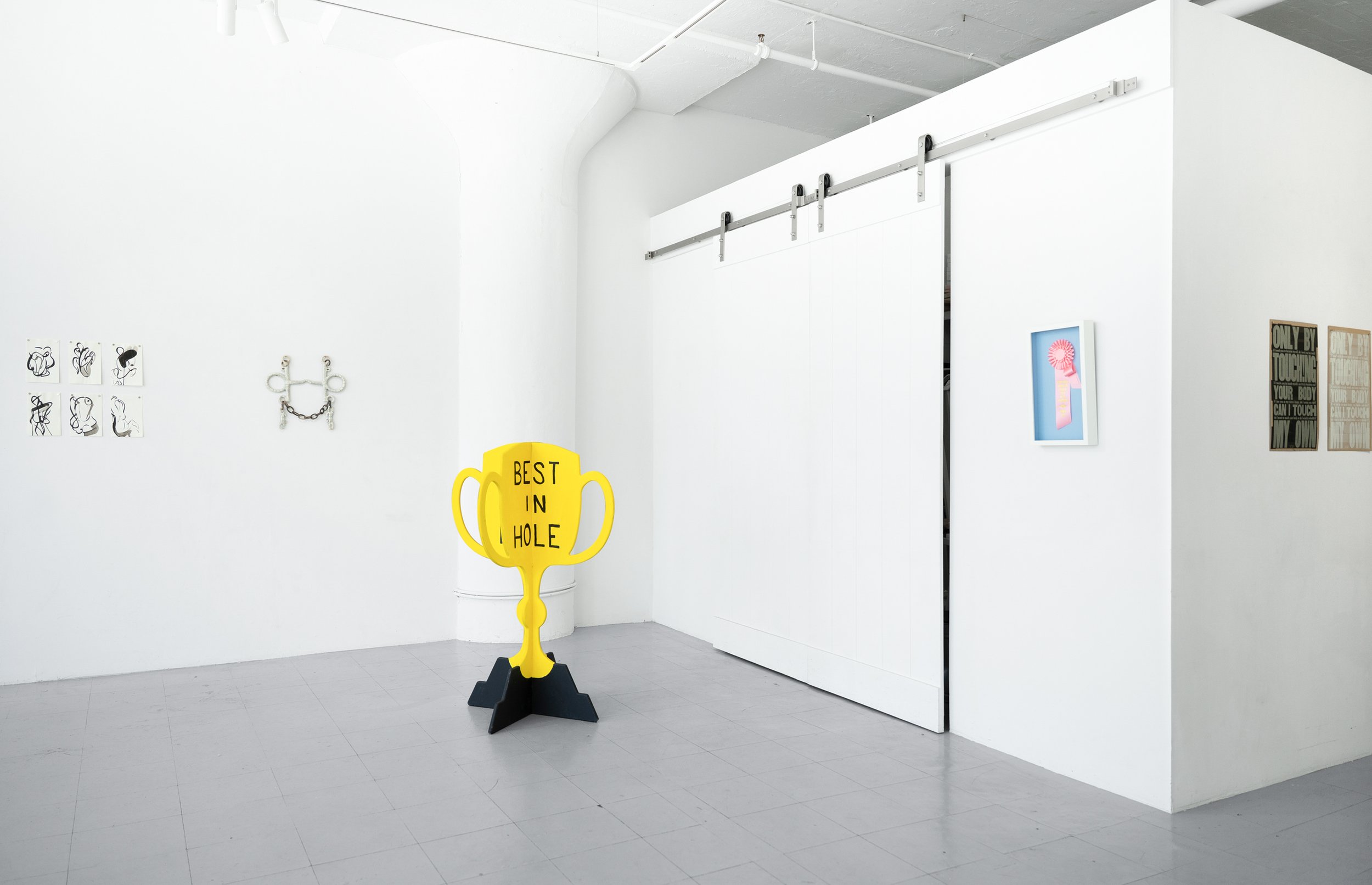
Exhibition photography by ftmjustinbieber & Asher Selle
exhibition statement
Many of the artists in this show work with elemental materials, where there is nowhere for me to hide: ceramic, glass, wood, fire. In an age of endless art material options, choosing one material requires restraint. Within kink, restraint can operate in a similar fashion; the commitment to stay present though a scene builds a container for creativity—as well as for release and understanding. Restraint helps us understand our own boundaries, and how to stretch and grow within them. Restraint is a bridge which offers a deeper understanding of ourselves.
Fe Lugo, represented in this show by a series of delicate glass tubes called “untitled (soft)”, writes “I am an artist who is interested in how desire is coded into objects and how bodies become infrastructure for hosting desires.” This curiosity about the relationship between desire and objects—and material, specifically, permeates the whole show.
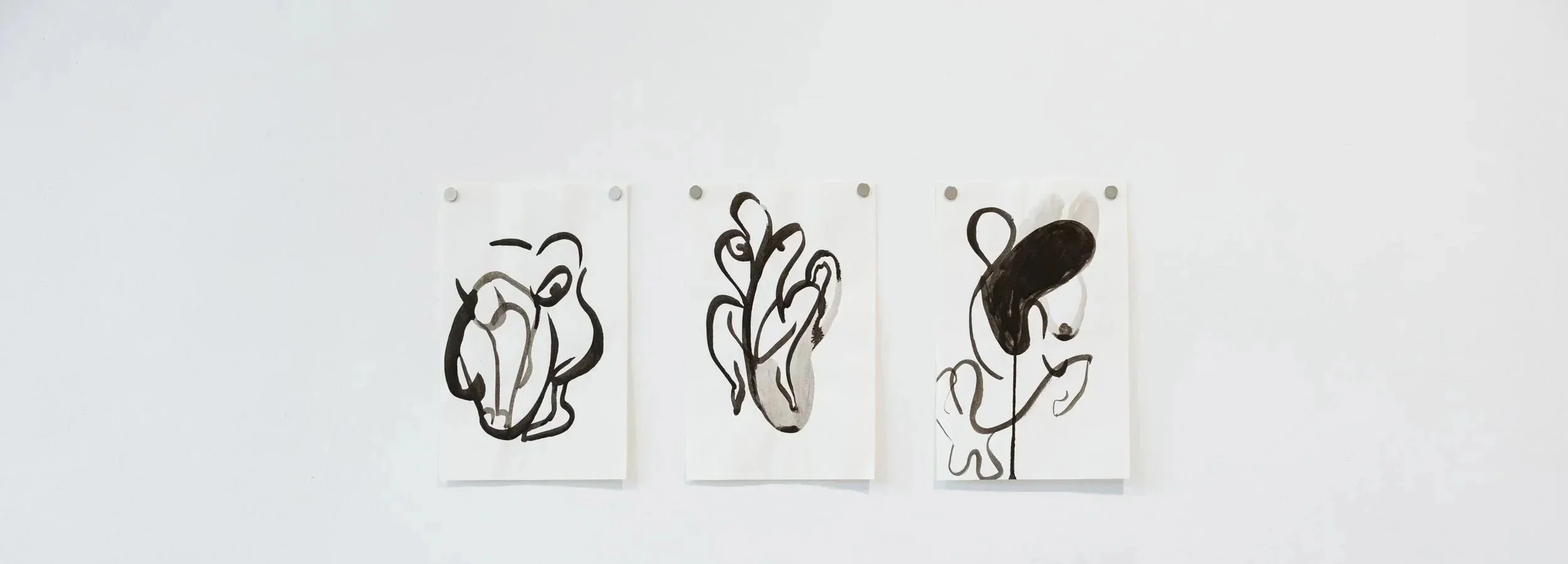
Some works explore the body as an understanding of self. Imani Noel Ford’s ink drawings, for example, seem to be asking us to be present in our own bodies—as an extension of their own somatic practice. Similarly, H Peter’s Tenderness and Nass Reda-Fathmi’s Gone or There seem to be works reckoning with the body as self.
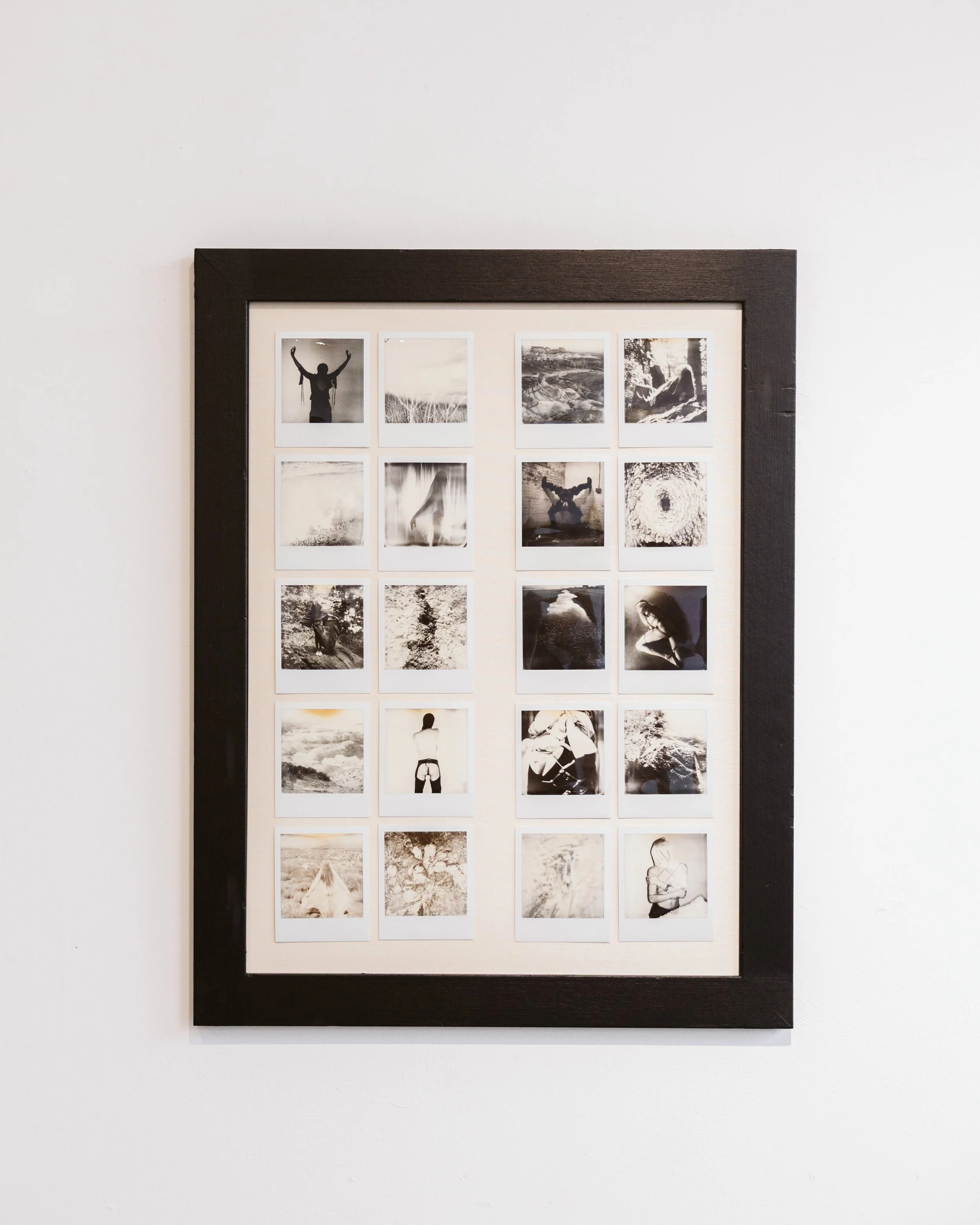
Meanwhile, Jacob Romm, Nils Hammerand, and Ale Buenahora explore the body through t4t intimacy—how we understand ourselves in relation to others. Ale Buenahora’s grouping of Ojos photographs are sensitive portraits of a partner, but the use of the googly eyes on their partner’s body also show us the body itself looking back at us; the resulting gaze is trans in the sense that the body itself becomes the viewer; the viewer’s own transness is witnessed in a moment that is at once goofy and sensitive. This series of works show precise, repeated investigations within clear parameters—a set of restraints—which enable them to convey the nuances of feeling within the body.
A number of the works in the show expand outward—they use the trans body as a site of possibility; as part of a larger, more complex trans whole. These works seem to be using the most intimate and fragile part of trans identity—the body itself—as connective tissue to others.
Lijah Schnei’s macrophotography reminds us that even the most intimate, specific, personal parts of ourselves are things that we share with others. meyer roze’s work, cyanotypes made using images taken from early internet archives, reminds us that our bodies are part of a long lineage, that we have trans elders whose texts and histories can provide a path towards our futures.
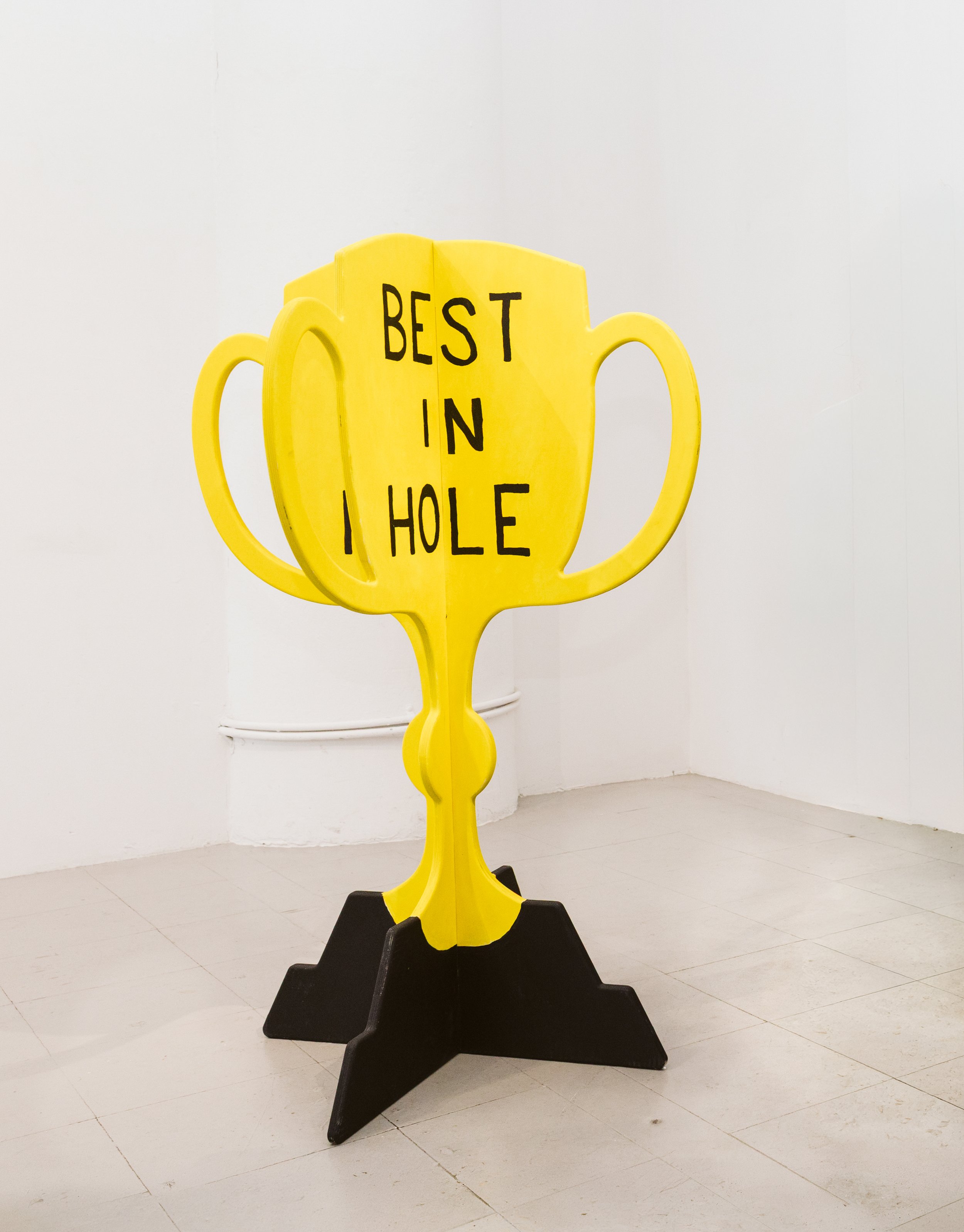
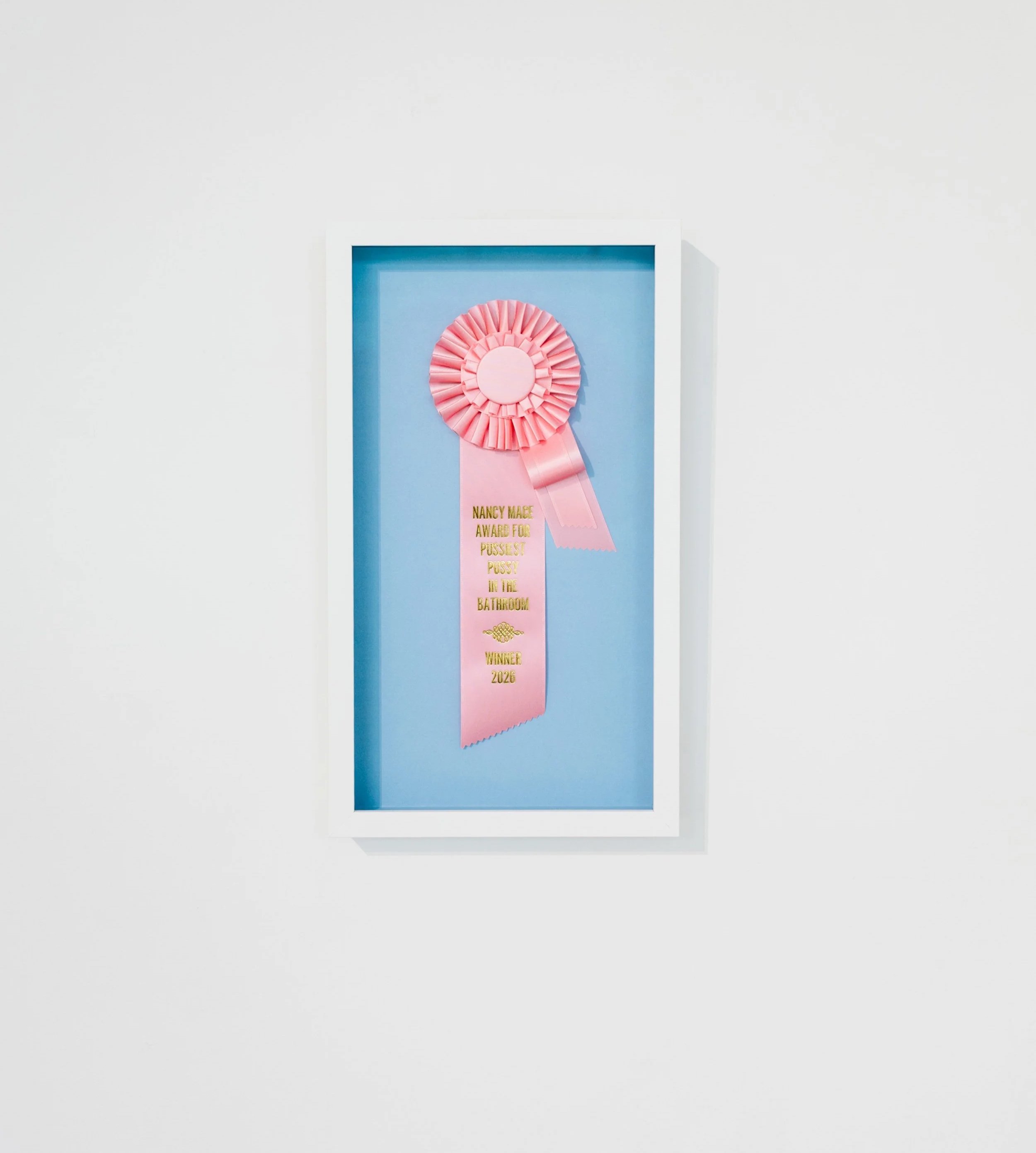
This expansion stretches into the political with Jane Love’s work. Her outrageous “Nancy Mace Award” ribbons and absurdly-sized “Best in Hole” trophy remind us that beneath the gendered and sexualized veneers of phrases like pussy or hole, we’re just people—who participate in the mundane bodily functions of everyday life—things like going to the bathroom and having sex. The genius of Love’s work is that they are restrained—streamlined silhouettes, punchy colors, but edited down to a precise gesture. They become surprisingly gentle reminders that our trans bodies are worthy of celebration.
JPF 2026